
Data Integration Services That Keep Your Systems in Sync
Your CRM, ERP, databases, cloud platforms, and reporting tools should not operate like separate businesses. Cadeon provides data integration consulting and implementation that connects the systems behind your operations, automates how information moves between them, and gives teams access to data they can actually use.
.avif)

When Every System Tells a Different Story
Less Manual Data Work
Fewer Reporting Gaps
Better Access Across Teams

Where We Connect the Pieces
Enterprise Data Integration
Connect information across business applications, databases, departments, cloud platforms, and existing infrastructure.
Data Pipeline Development
Build automated pipelines that collect, transform, validate, and deliver data without relying on repeated exports or manual transfers.
Cloud and Hybrid Integration
Connect newer cloud platforms with on-premise or legacy systems without forcing the business to replace technology that still works.
Pipeline Monitoring and Support
Keep integrations healthy as source systems, data volumes, business rules, and reporting requirements change.
Map the Business Flow Before Building the Pipeline

What Changes When Data Moves Without Friction
Faster access to clean, consistent data across connected systems.
Less time spent manually processing data and rebuilding reports.
Higher analytics adoption when teams can reach reliable data more easily.
Design Data Integration for the Real World
Plan for What Can Go Wrong
We account for failed transfers, unexpected values, changing source structures, and other issues that can interrupt the flow of information.
Make Changes Easier Later
Your integration should not need to be rebuilt every time a system, field, or business requirement changes. We structure it so future updates are easier to manage.

How We Take Data Integration Into Production
Define the Rules
Before development begins, we establish what should happen to the data as it moves.
Set transformation and validation requirements
Define handling for missing or incorrect data
Confirm security and access requirements
Build and Test
We develop the integration and test it against the conditions it will face in your actual environment.
Build connections and data pipelines
Test data quality and system behavior
Validate outputs with the teams using the data
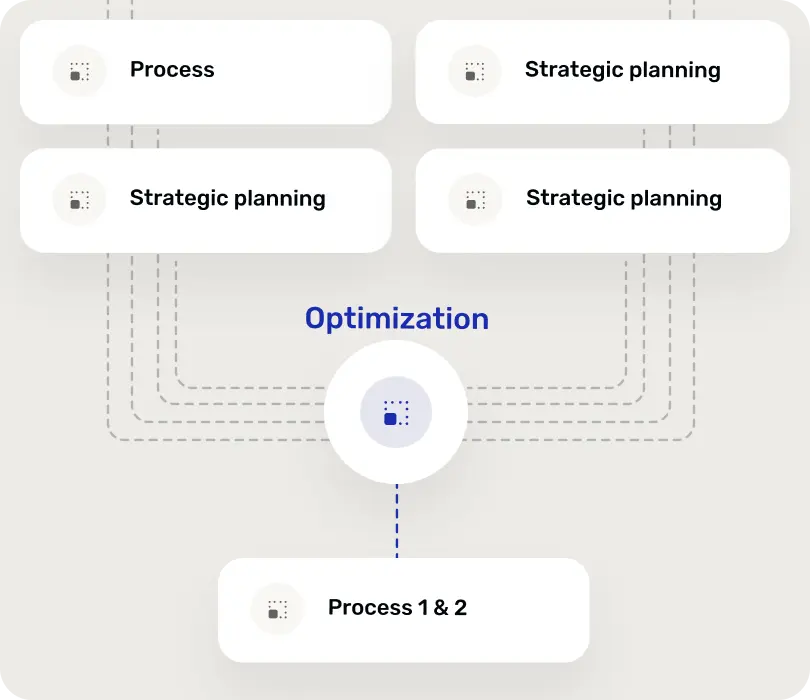
Launch and Monitor
After deployment, we watch how the integration performs and address issues before they affect downstream teams.
Monitor failures and performance
Review data quality after launch
Adjust integrations as requirements change

Not Every Data Integration Needs the Same Approach
Real-Time or Scheduled?
Some data needs to move immediately. Other information can update hourly, daily, or when a business event occurs. We help choose the right frequency based on how the data is actually used.
Direct Connections or a Shared Integration Layer?
A few systems may work well with direct connections. Larger environments often benefit from a more reusable integration architecture that reduces the number of separate connections teams have to maintain.
When the Environment Gets More Complex
Bring Departmental Data Together
Connect information across finance, operations, sales, analytics, and other business functions so teams are not working in isolation.
Protect Sensitive Data in Motion
Build security and access controls into the integration layer so information reaches the right users without exposing what should stay restricted.
Support Larger Data Volumes
Design integrations that can handle growing data loads and more connected systems without creating bottlenecks.
Feed Better Data Into Spotfire
Featured Case Studies

GLJ and Cadeon: Transforming Data Analysis with Spotfire
GLJ, a leading consulting firm specializing in resource evaluation, technical studies, and emissions management, partnered with Cadeon to deliver more efficient, data-driven insights through Spotfire.
Spotfire® for Operational Dashboards in Energy.
Cadeon helped energy drilling and completion teams streamline daily operational reporting by replacing manual data aggregation with automated, interactive Spotfire dashboards accessible across the organization.
.avif)
Spotfire® for Loss Management in Oil & Gas
Cadeon implemented a comprehensive loss management analysis solution using Spotfire, helping an oil and gas operator standardize production loss reporting, improve data quality, and support executive decision-making.

Spotfire® for Drilling and Completions Performance Analysis
Cadeon helped an innovative drilling contractor transform high-frequency rig instrumentation data into interactive Spotfire dashboards, giving operators and well owners clear visibility into drilling performance at any point in time.

Spotfire® for Organizational KPI Analysis in Real Estate
Cadeon helped a large real estate organization centralize and visualize key performance indicators, giving leadership direct, interactive access to membership, operational, and financial insights through Spotfire dashboards.
Spotfire® Automation Services for High-Volume PDF Reporting
Using Spotfire Automation Services and the Cadeon Print Module (CPM), Cadeon enabled automated, high-volume PDF report generation with consistent formatting and improved readability.
.avif)
Real-Time Analytics for Sports & Entertainment Operations
Cadeon helped a sports and entertainment organization integrate multiple data systems into a single, real-time analytics platform to support better customer experience and more profitable event operations.
We Work on Both Sides of the Connection
Integration With the End Use in Mind
We understand what happens to the data after it moves, whether it feeds BI dashboards, Spotfire, operational systems, or analytics workflows.
Experience Across Mixed Environments
Cloud, on-premise, legacy, and modern platforms often have to work together. Our team is comfortable working across those combinations.
One Partner Beyond the Build
If the project later needs analytics, Spotfire, governance, or ongoing integration support, you do not have to start again with another vendor.
Have Data Stuck Between Systems?

Frequently Asked Questions
What are data integration services?
Data integration services connect information from different systems, applications, databases, and platforms so it can move between them consistently. This can include APIs, automated data pipelines, transformation rules, cloud connections, and integration between legacy and modern systems.
What does a data integration consultant do?
A data integration consultant reviews how data currently moves across an organization, identifies gaps or bottlenecks, and recommends the best way to connect systems. They may also help design the integration architecture, define data rules, and support implementation.
What is enterprise data integration?
Enterprise data integration connects information across multiple departments, platforms, and business systems at a larger scale. It is often used when organizations need finance, operations, sales, analytics, and other teams to work from connected data.
What is a data pipeline?
A data pipeline is an automated process that moves data from one location to another. Along the way, the data may be cleaned, transformed, validated, or combined before it reaches a reporting tool, database, analytics platform, or business application.
What is the difference between data integration and a data pipeline?
Data integration is the broader process of connecting systems and making information available across them. A data pipeline is one of the technical methods used to move and process that data.
Should data integration happen in real time?
Not always. Real-time integration is useful when information needs to be available immediately, but many reporting and analytics use cases work well with scheduled updates. The right approach depends on how quickly the data needs to be used and the complexity of the systems involved.
Can cloud and on-premise systems be integrated?
Yes. Cloud applications, databases, and platforms can be connected with on-premise or legacy systems. These hybrid integrations are common in enterprise environments where older systems still support important business processes.
How do you know if a company needs data integration?
Common signs include repeated file exports, duplicate data entry, reports built from different sources, delays getting information between departments, inconsistent records, or teams manually moving data between systems.